










Backsplash Installation in Riverside
Tile backsplash installation with layout planning, outlet cutouts, and sealed grout. Book a free consultation before any tile goes on the wall.
Backsplash Installation for Your Kitchen
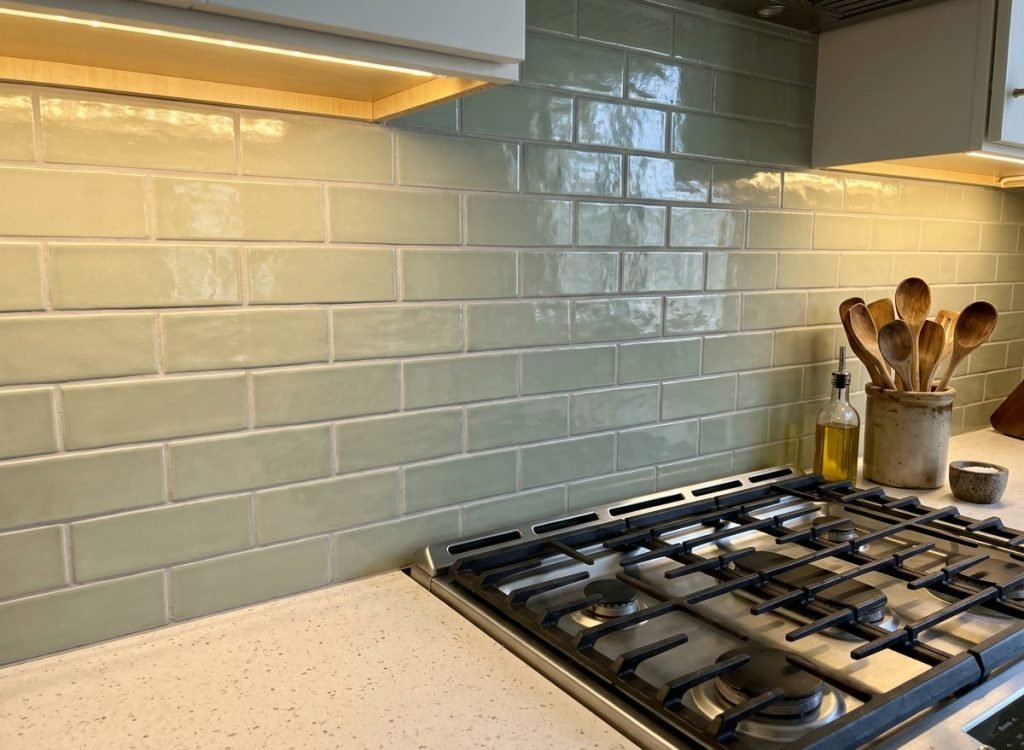
Backsplash installation is one of the most visible parts of a kitchen. We install tile backsplashes as part of kitchen remodels, so the wall gets planned with the cabinets and counters. Questions get answered quickly, both before the job and during it. We serve homeowners across Riverside and nearby cities. Every project starts with a free consultation and a plan for the wall.
Backsplash Services We Handle
Tile Backsplash Installation
Ceramic, porcelain, and natural stone tile go on a flat, sound wall. We set layout lines first so cuts land evenly.
Glass Backsplash Installation
Glass panels need a smooth, flat wall, since every bump shows through. We check the surface before any panel goes up.
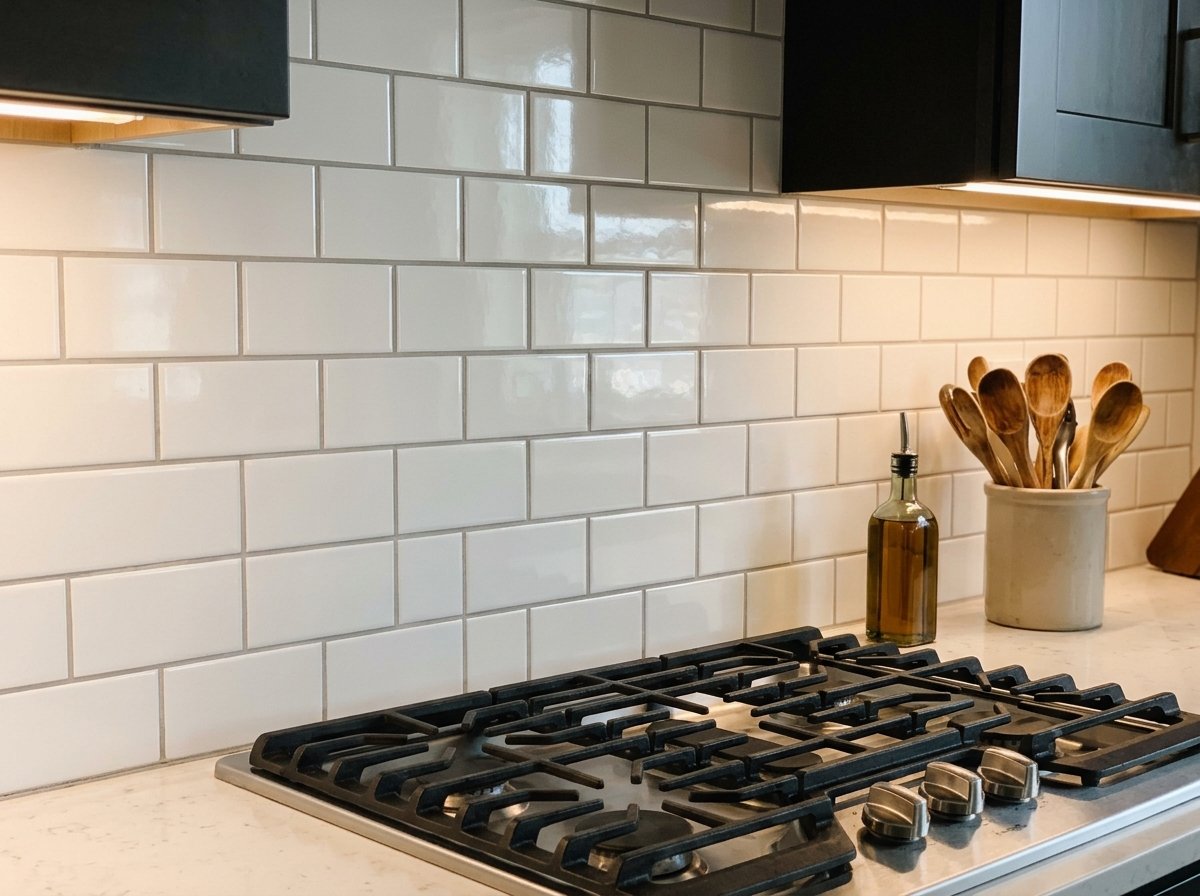
Stone Backsplash Installation
Natural stone needs sealing to resist stains. We match stone size and direction so the pattern runs cleanly.
Outlet and Switch Layout
Outlets and switches get marked on the layout before tile goes up. Cutouts are sized to each cover plate, not estimated.
Why Homeowners Call Our Crew
Wall Prep Comes First
Tile sits on the wall, so the wall gets checked before any tile goes up. Loose drywall and old paint get fixed first.
Water Protection Behind Sinks
Walls behind the sink and range get a waterproof layer under the tile. Water that reaches drywall can soften it and cause damage.
Clear Material Options
Tile, glass, and stone each look and clean differently. We compare them side by side before you pick one.
Free Consultation First
Every project starts with a walkthrough of your kitchen wall and counters. There is no charge for that visit.
How a Backsplash Project Runs
01.
Initial Consultation
We measure the wall and mark outlets, switches, and the range or sink position. Then we agree on tile, glass, or stone.
02.
Layout and Prep
We set layout lines from the center of the focal wall. The wall gets cleaned, patched, and dried before any material goes up.
03.
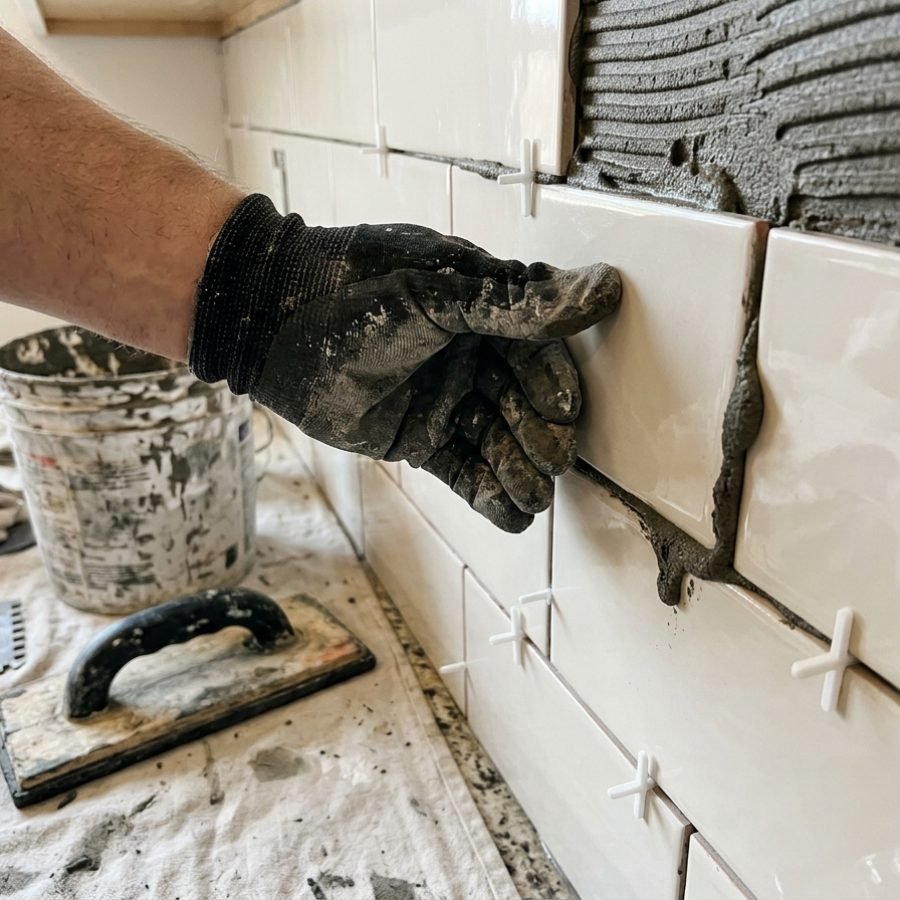
Setting the Tile
Tile or stone gets set in thinset mortar with spacers for even joints. Outlet and switch covers go on after the grout cures.
04.
Grout, Seal, and Clean
Grout goes in once the thinset has set. Sealing the grout helps it resist stains, and we wipe the tile clean before you use the counter.

What our clients say about us
Trustindex verifies that the original source of the review is Google. Working with flawless construction with Benjamin and Guy was exceptional. They are professionals all the way. They did my flooring and my barn door they worked extremely well, fast and clean. I took 3 estimates and they came in at the most reasonable ever and I will definitely use them again and refer themTrustindex verifies that the original source of the review is Google. Thank you Ben for all the renovations in the house. The kitchen, the bathroom, exterior paint and the fence all look fantastic! Thank you for being flexible and accommodating.Trustindex verifies that the original source of the review is Google. Luis did a great job, he was efficient, communicated very well, and was sure to make everything perfect just like we wanted. Thank you Luis and Flawless Contrustion!Trustindex verifies that the original source of the review is Google. Raz and Adam did an amazing job on my exterior paint I would highly recommend them they are the best in the business very professionalTrustindex verifies that the original source of the review is Google. We just completed a kitchen, bath, attic, and electrical panel remodel and we’re so pleased and satisfied with the work and our project manger, Ben Liv from Flawless Construction. It was a pleasure working with him and his company. The finished project was beyond our expectations.Finally the project price was competitive and affordable to our budget.Trustindex verifies that the original source of the review is Google. We recently completed an outdoor renovation with Flawless Construction, and we couldn’t be happier with the results! From start to finish, the entire process was smooth, professional, and exceeded our expectations. The crew was punctual, respectful, and extremely detail-oriented. They truly brought our vision to life and made sure every aspect of the project was handled with care and precision. It’s rare to find a team that combines quality craftsmanship with such a high level of professionalism—Flawless Construction delivered on both. We highly recommend them for any renovation project and will definitely be using them again in the future!Trustindex verifies that the original source of the review is Google. Hi guys thanks to raz and tony Ryan for the hard work they did my patio and roof and rain guttersTrustindex verifies that the original source of the review is Google. I worked with Flawless Construction on my front and backyard. At the front yard they did a brand new pavement doe my driveway and a beautiful design for a paver walk way to the front door. At the backyard they added new pavement in order for me to park and store my car collection. They also added a French drain. The crew were on time, clean and did a very good job. The project manager Ron did a great job with communication and made sure I was satisfied the entire time. Highly recommended!!
Latest articles from us
Why Backsplash Grout Cracks
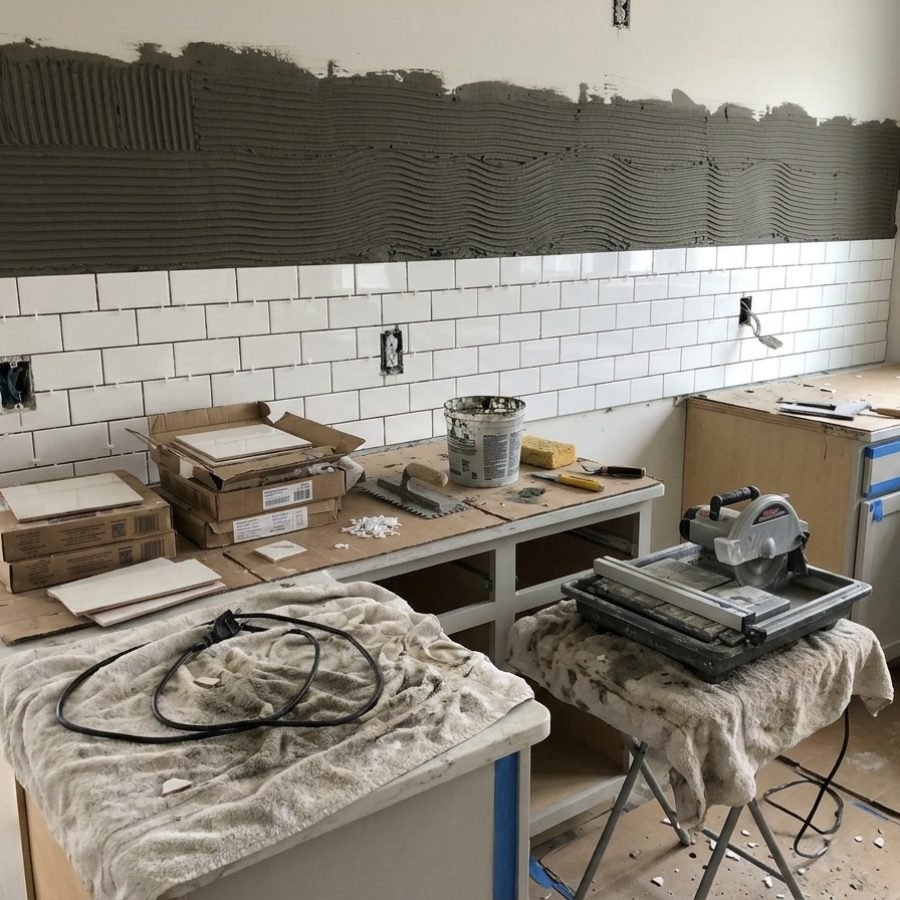
Cracked or stained grout is often the first sign of a backsplash problem. Grout is porous, so water, grease, and cooking splatter can soak in over time. The more often the surface gets wet, the faster the grout breaks down. Loose tiles usually point to a wall that was not flat or dry when the tile went up. Fixing it starts with removing the damaged grout and checking the tile underneath. Then the grout gets replaced and sealed so it resists stains longer. For a full kitchen plan, see our kitchen remodeling page. Tile installation methods are documented by the Tile Council of North America.
Choosing the Right Backsplash Material
A good backsplash starts with the surface behind it, not the tile. The best backsplash installation depends on a flat, dry wall and a clear layout. Tile suits most kitchens because it handles heat and wipes clean. Glass reflects light, but it shows every flaw in the wall. Stone adds a natural look, and it needs sealing on a regular schedule. We set the layout from the center of the focal wall, then trim the edges to fit. Bathroom projects use the same method, so we also take on bathroom remodeling work.
Backsplash Questions
Here are answers to common questions about backsplash installation.
What is the best backsplash material?
There is no single best material for every kitchen. Ceramic and porcelain tile are the most common choice. They handle heat and water well, and they come in many sizes and colors. Glass is a good pick for a clean, modern look. It needs a very flat wall because every bump shows through. Natural stone gives a warm, varied look. Stone needs sealing and more care around the sink and range. The right choice depends on your cooking habits, cleaning routine, and how much detail you want. We walk through each option before you choose.
Can you install a backsplash over existing tile?
Sometimes, yes, if the existing tile is flat and firmly bonded. The surface matters more than the age of the tile. We first tap the tile to find hollow spots. Loose or cracked tile has to come off before anything new goes up. Any grout that sticks up must be ground flat so the new tile sits level. Glossy tile can be hard for new thinset to grip. If the wall is uneven, we may remove the old layer. That gives a flat, lasting surface for the new tile. You get a clear answer after the consultation.
How long does a backsplash installation take?
The timeline depends on the wall, the material, and the pattern. A simple straight-set tile wall goes faster than a custom layout. Intricate cuts around outlets and corners add time. Grout needs time to cure before you seal it and use the counter. Cure times vary by product, so we follow the manufacturer’s directions. Stone and glass often need extra prep before setting. Your consultation gives you a timeline for your specific wall. We do not guess at dates before we measure. Once the schedule is set, we keep you updated on progress.
How do I choose a grout color for a backsplash?
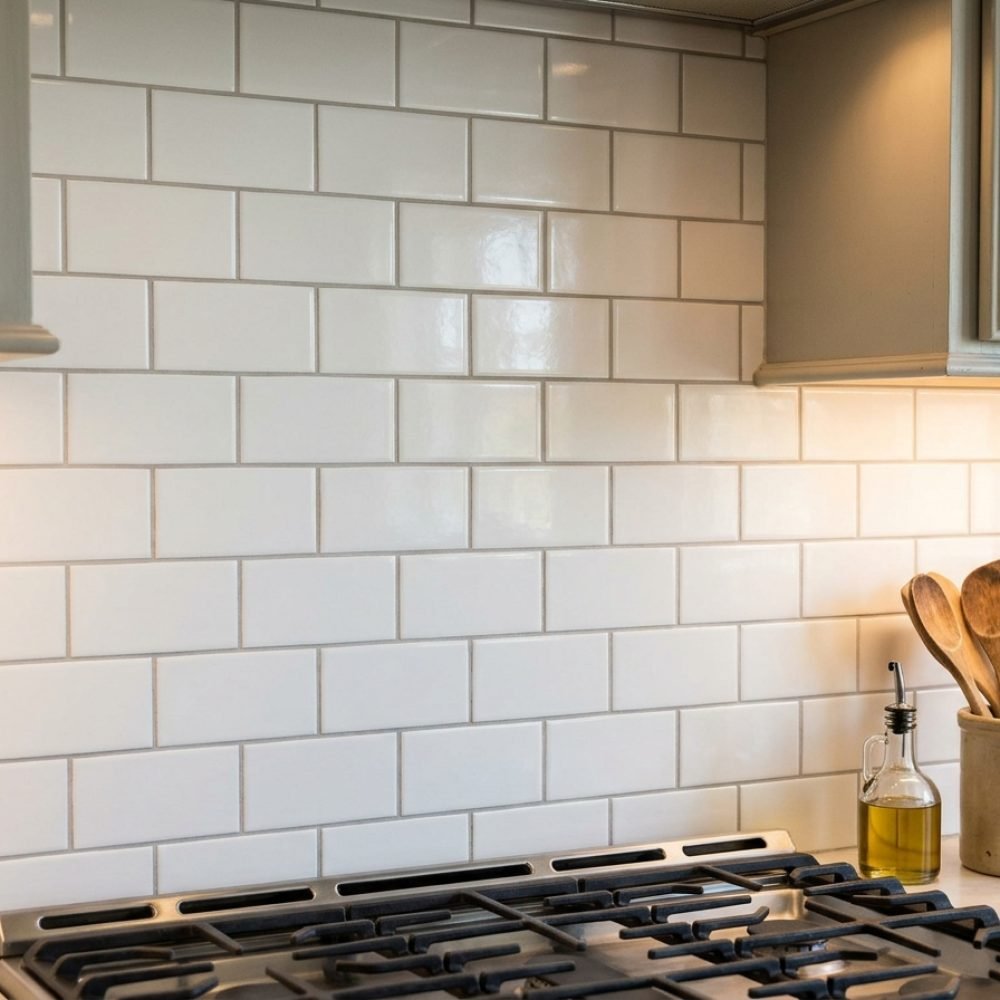
Grout color changes how the tile pattern reads. Matching grout hides grime, but it can make a busy pattern feel flat. Contrasting grout highlights the layout and shows off subway or hex shapes. Light grout looks clean, yet it shows stains faster. Darker grout hides dirt, though it can show haze from some cleaners. Bring a tile sample and a grout sample to the consultation. Look at both in your kitchen light, since daylight changes the look. We help you compare them before anything gets mixed. Test samples on the actual wall, not only in the store.
Do you install a backsplash behind a stove?
Yes, the area behind a range is one of the most common backsplash jobs. Heat and grease make this spot different from the rest of the wall. We look at the distance to the burners and the surface type first. Tile needs a heat-resistant setting material and grout that stands up to cooking splatter. Outlets near the range need careful placement, so they stay out of the splash zone. Cleaning is easier with a sealed grout line. We set the layout so the cut tiles sit under the center, not the corners. Ask us during the consultation to plan this spot first.
How do you seal backsplash grout?
Sealing starts after the grout has cured fully. Cement grout is more porous than epoxy grout, so it usually needs sealing. Check the grout product directions for the cure time first. Clean off any haze so the sealer soaks in evenly. Apply a penetrating sealer with a small brush or applicator. Wipe off the excess before it dries on the tile. Let it dry for the time listed on the label. Test a small spot first to check color change. Resealing on a schedule keeps the grout resistant to stains.
Do you do backsplash work in bathrooms?
Yes, we remodel bathrooms, and wall tile follows the same planning as the kitchen. Vanity walls and tub surrounds need the same flat, dry surface. Bathroom walls face steam, so waterproofing and grout choices matter more. We check the wall for moisture before the tile goes up. Glass and stone work well in bathrooms when the surface is prepped right. The rest of the room can be handled through our bathroom remodeling service. Tell us the size and layout during the consultation. We will suggest a plan based on what we see.
What affects the cost of a backsplash installation?
Cost depends on the size of the wall and how many outlets and corners it has. The material is a major factor, since tile, glass, and stone price very differently. Layout also matters, because diagonal and custom patterns take more labor. Prep work can add cost if the wall needs repair or waterproofing. Removing an old backsplash adds labor, and so does a tall or curved wall. Cutouts around outlets, switches, and windows also count. Your consultation covers these factors for your kitchen. We review each factor with you before any work starts.
Do you serve my area?
We serve Riverside, Woodland Hills, Corona, Moreno Valley, and San Bernardino, CA. Our office is at 21550 Oxnard St, Suite 940, Woodland Hills, CA 91367. If your home is in a nearby city, call us to confirm we can help. You can reach us at +1-213-399-3914 before you book. Have a few photos of the wall ready when you call. We will tell you whether the project fits our schedule. Projects outside the listed cities are reviewed case by case. Book a free consultation to get a firm answer for your address.