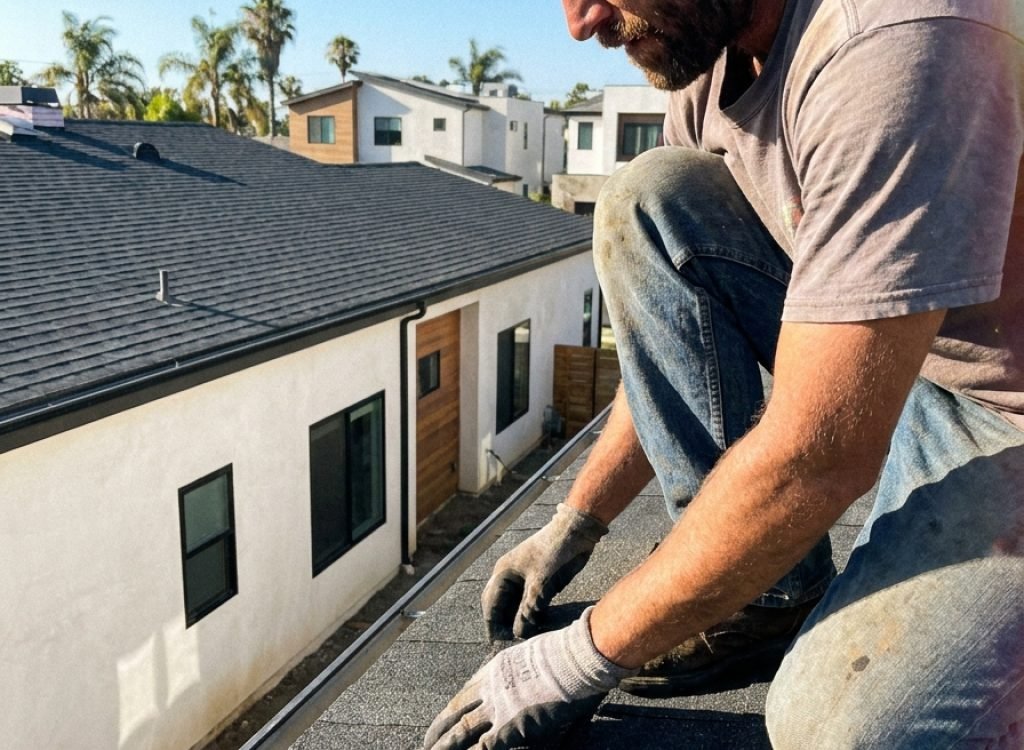
Before any roof installation starts, we confirm the existing deck is solid plywood with no soft spots, since new shingles need a sound surface underneath.
Synthetic underlayment and step flashing go down before shingles, sealing valleys and penetrations that are the most common places a new roof leaks first.
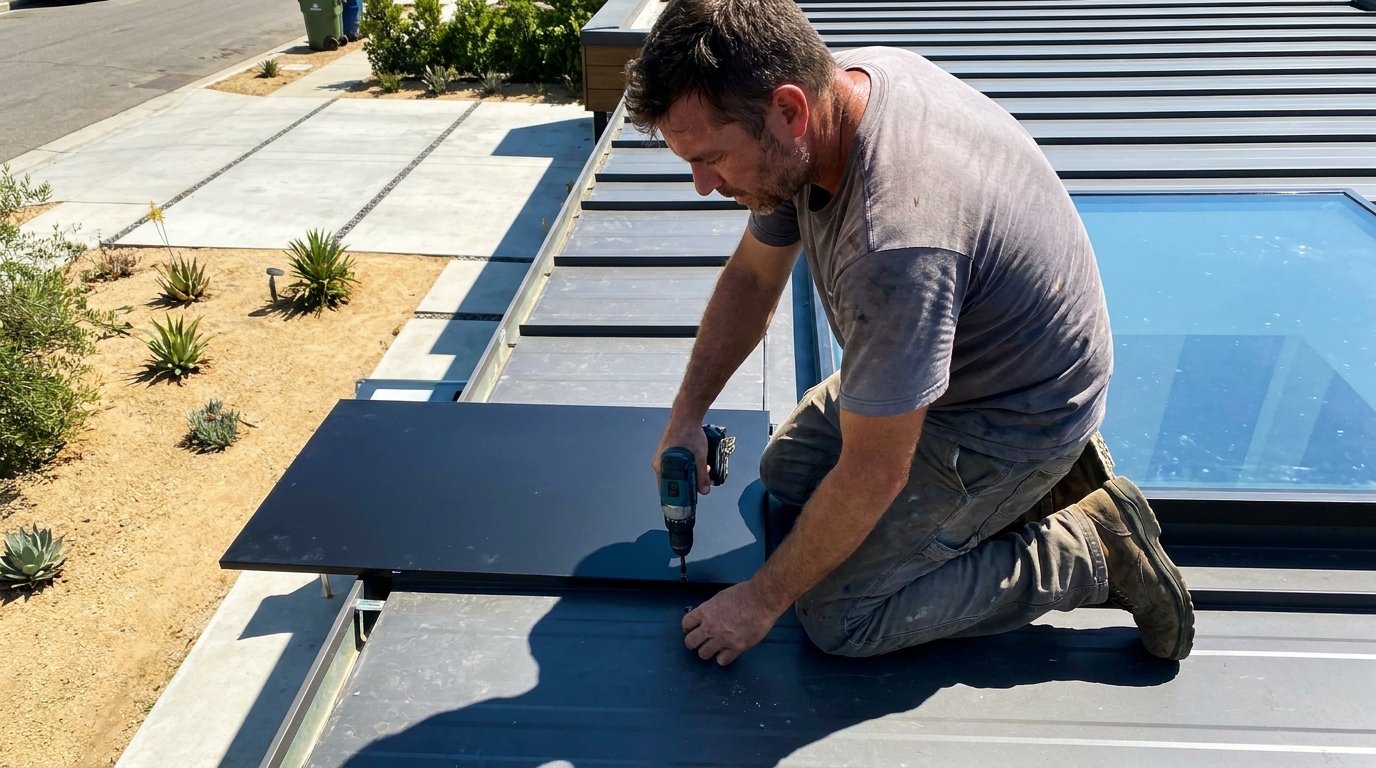
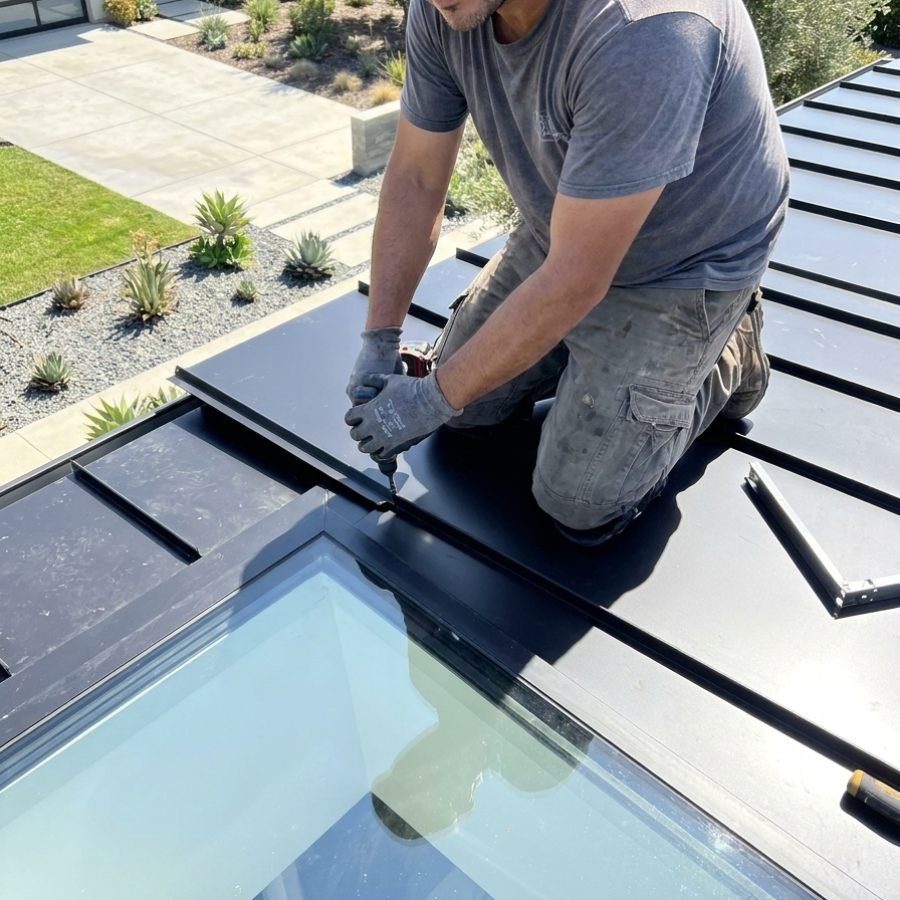
We install architectural shingles, standing seam metal, or tile, matched to your roof pitch and the wind exposure typical of inland Southern California.
Once installation is complete, we walk the property with you and point out ridge venting, flashing, and drip edge before calling the job done.
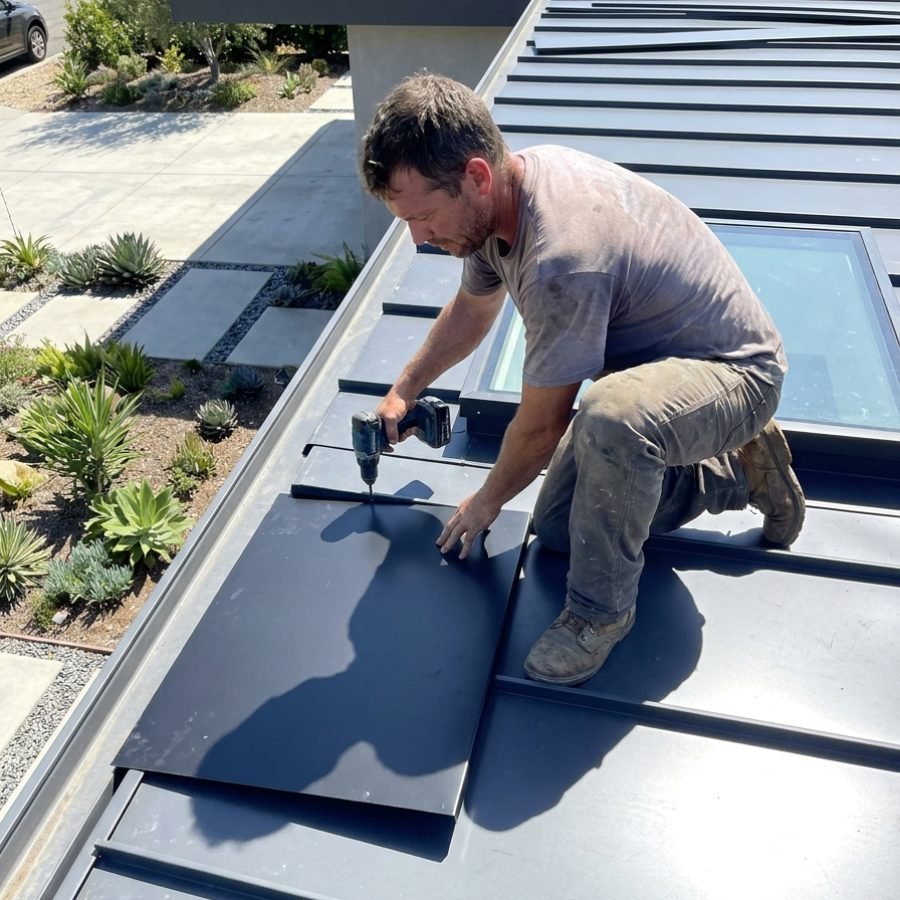
Roofing, painting, and gutters all run through the same in-house teams, so a roof installation doesn't turn into five different phone calls and five schedules.
You get a start date and a finish window before signing anything. Weather can push an install back a day, and we call the moment that happens.
Ask why a roof installation costs what it does. You get a real answer about materials and labor hours, not a pitch for add-ons you didn't ask about.
Every roof installation starts with someone walking the site and talking through material options in person, with no charge for that visit.
We check the deck, measure the roof, and write up a scope before quoting your installation.
You choose shingle, metal, or tile, we confirm quantities, and the proposal locks in price before ordering.
Synthetic underlayment, drip edge, and step flashing go down first, sealing every valley and penetration.
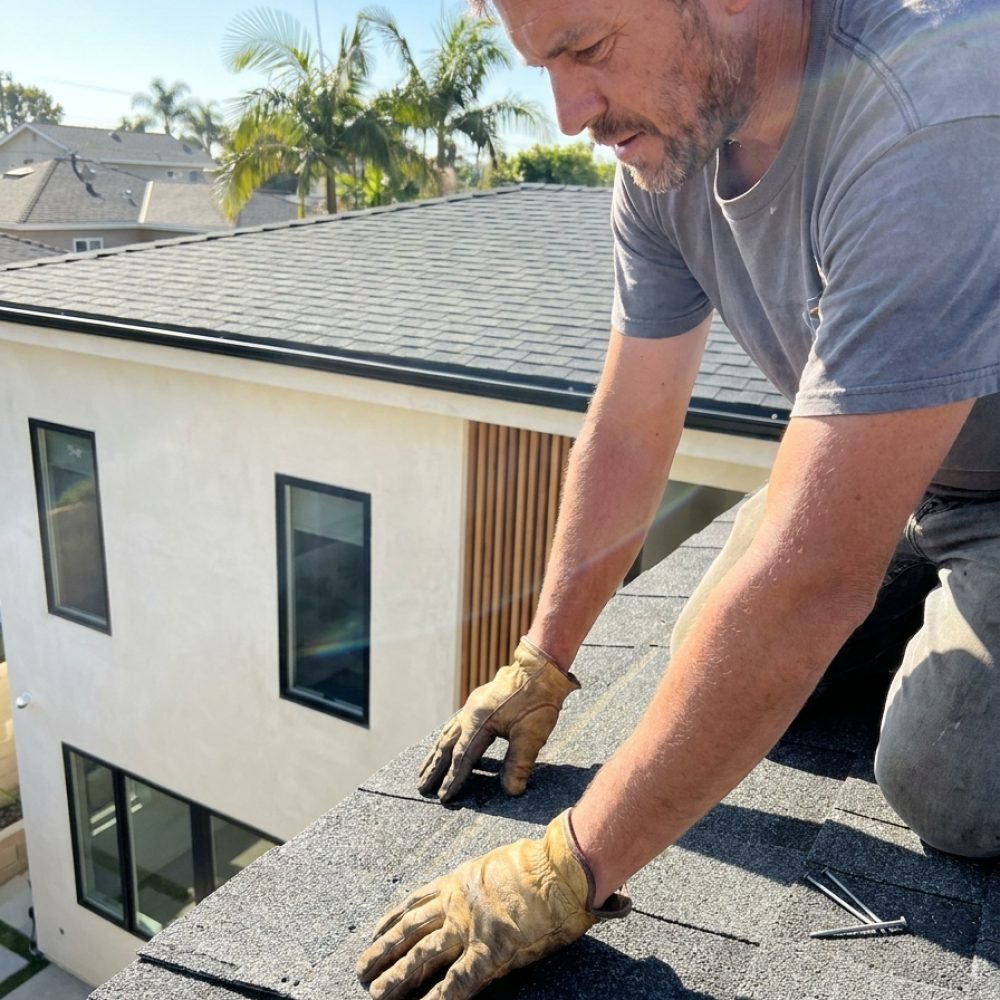
New roofing goes on in straight courses, then we walk the property with you before closing out the job.
Trustindex verifies that the original source of the review is Google. Working with flawless construction with Benjamin and Guy was exceptional. They are professionals all the way. They did my flooring and my barn door they worked extremely well, fast and clean. I took 3 estimates and they came in at the most reasonable ever and I will definitely use them again and refer themTrustindex verifies that the original source of the review is Google. Thank you Ben for all the renovations in the house. The kitchen, the bathroom, exterior paint and the fence all look fantastic! Thank you for being flexible and accommodating.Trustindex verifies that the original source of the review is Google. Luis did a great job, he was efficient, communicated very well, and was sure to make everything perfect just like we wanted. Thank you Luis and Flawless Contrustion!Trustindex verifies that the original source of the review is Google. Raz and Adam did an amazing job on my exterior paint I would highly recommend them they are the best in the business very professionalTrustindex verifies that the original source of the review is Google. We just completed a kitchen, bath, attic, and electrical panel remodel and we’re so pleased and satisfied with the work and our project manger, Ben Liv from Flawless Construction. It was a pleasure working with him and his company. The finished project was beyond our expectations.Finally the project price was competitive and affordable to our budget.Trustindex verifies that the original source of the review is Google. We recently completed an outdoor renovation with Flawless Construction, and we couldn’t be happier with the results! From start to finish, the entire process was smooth, professional, and exceeded our expectations. The crew was punctual, respectful, and extremely detail-oriented. They truly brought our vision to life and made sure every aspect of the project was handled with care and precision. It’s rare to find a team that combines quality craftsmanship with such a high level of professionalism—Flawless Construction delivered on both. We highly recommend them for any renovation project and will definitely be using them again in the future!Trustindex verifies that the original source of the review is Google. Hi guys thanks to raz and tony Ryan for the hard work they did my patio and roof and rain guttersTrustindex verifies that the original source of the review is Google. I worked with Flawless Construction on my front and backyard. At the front yard they did a brand new pavement doe my driveway and a beautiful design for a paver walk way to the front door. At the backyard they added new pavement in order for me to park and store my car collection. They also added a French drain. The crew were on time, clean and did a very good job. The project manager Ron did a great job with communication and made sure I was satisfied the entire time. Highly recommended!!
Flawless Construction: Excellence in custom homes, renovations, and remodeling, delivering superior quality and meticulous attention to detail.
© All Right Reserved By Flawless Construction INC.
Build With ❤️ By BigBrandify.Com